
THE NETHERLANDS
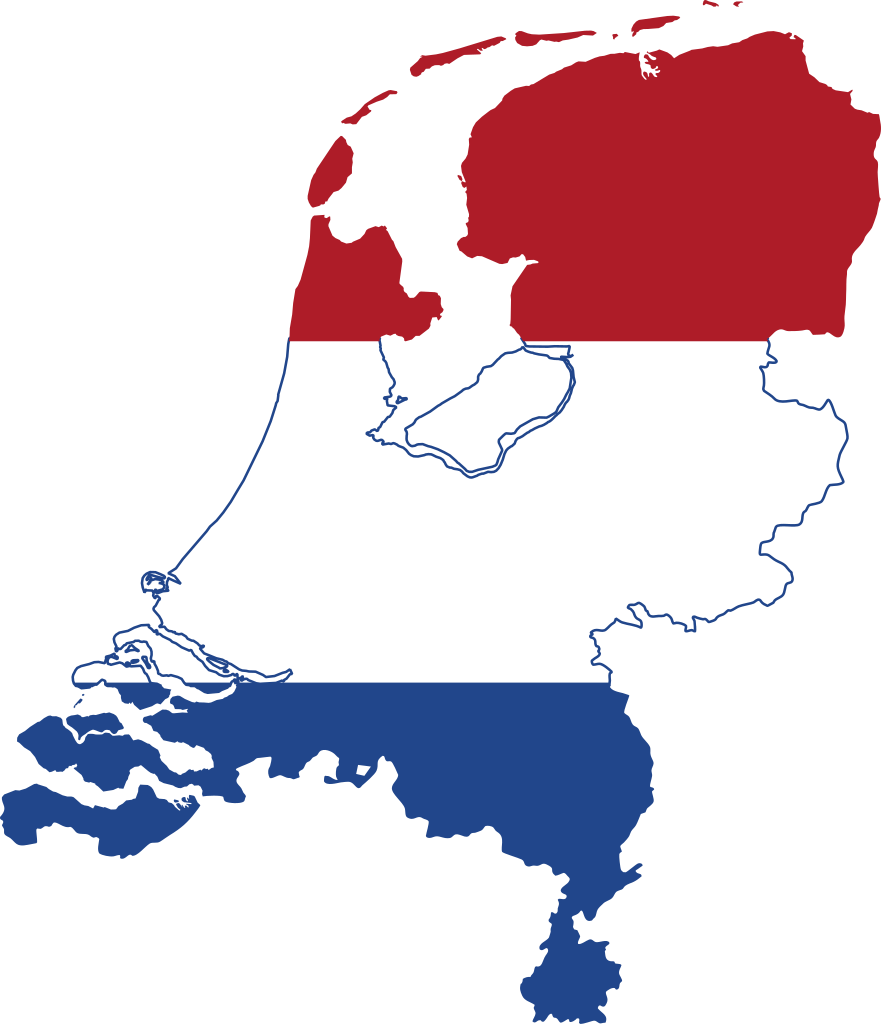
Continent: Europe
Official name: Kingdom of the Netherlands
Form of government: constitutional monarchy with a parliamentary system
Head of State: King Guillaume-Alexandre (Willem-Alexander)
Area : 41 526 km2
Currency : euro
Population (2023) : 17,9 million inhabitants
Capital: Amsterdam
Main cities: Rotterdam ; The Hague ; Utrecht ; Eindhoven.
Official language: Dutch
Agreements and conventions
A memorandum of understanding was signed on 22 June 2015 between the Port Autonome de San Pedro and the Port of Amsterdam.
A draft technical cooperation agreement between Côte d’Ivoire and the Netherlands addresses maritime and air trade and investment.
In the financial sector, the Kingdom of the Netherlands is the 5th European private investor in Côte d’Ivoire, with 28,598 billion CFA francs (FCFA), over the period 1996-2010.
From 1998 to 2001, under the Paris Club framework, the Netherlands cancelled Côte d’Ivoire’s bilateral debt, which amounted to 30,6 billion FCFA.
It should be noted that the Orange Corner initiative in Côte d’Ivoire offers young entrepreneurs the opportunity to join a network and build links with Dutch businesses and knowledge institutions. The initiative has also been launched in Mozambique, Angola and South Africa.
A declaration of intent was initialled in February 2019 by the Dutch Deputy Prime Minister, Minister of Agriculture, Nature and Food Quality, and the Ivorian Minister of Agriculture and Rural Development. The declaration of intent aims to set out the intention to strengthen cooperation in the agricultural sector.
Speed Farmer is an initiative of the Ivorian incubator Incub'ivoir supported by the Embassy of the Netherlands in Côte d’Ivoire through its Orange Corners programme, which aims to help agricultural entrepreneurs work across the entire value chain.
The objective is to contribute to an ecosystem of thriving young businesses that strengthens the skills, confidence and economic empowerment of the country’s young people by offering them opportunities that extend beyond national borders.
This unique public-private collaboration adds value to existing initiatives by providing a network and training programme that African entrepreneurs greatly need.
One of the interventions under the Speed Farmer programme is a six-month acceleration programme for innovative Ivorian SMEs in Foodtech and Agrotech, aimed at increasing their access to markets and financing.
The selected SMEs will travel to the Netherlands for a study visit and to establish connections. This will enable SMEs and start-ups to form partnerships with Dutch companies to stimulate growth, professionalisation and the development of the private sector in Côte d’Ivoire.
In Côte d’Ivoire, she learned about the role of climate-smart agriculture as a solution to local problems linked to climate change, food security and the country’s population growth.
A. The main products exported are: cocoa beans, processed cocoa, rubber, palm oil, cashew nuts, processed wood, palm kernel oil, petroleum products, textiles and footwear.
B. The main products imported are : dairy products, fruit and vegetables, meat and edible offal, canned goods, fish, petroleum products, chemical products, mechanical machinery, and road transport equipment.
Sources : DGE-DPPSE
- The value of bilateral trade reached 15 060 billion FCFA in 2023 compared with 11 123 billion FCFA in 2022 ;
- Over the period 2019-2023, the average value of Ivorian exports is estimated at 8 828,6 billion FCFA per year compared with 2 023,6 billion FCFA per year for imports ;
- Over the period 2019-2023, Côte d’Ivoire had a trade surplus.