WAEMU: BCEAO maintains its policy rates and forecasts inflation at 1% in 2026
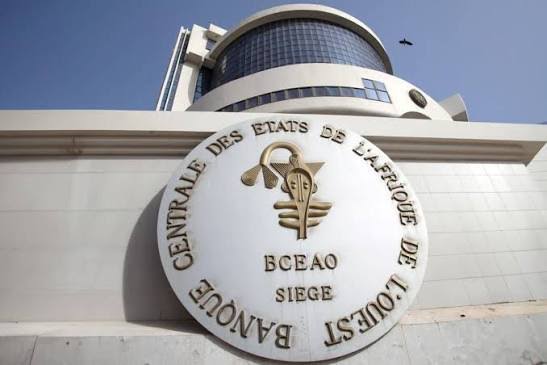
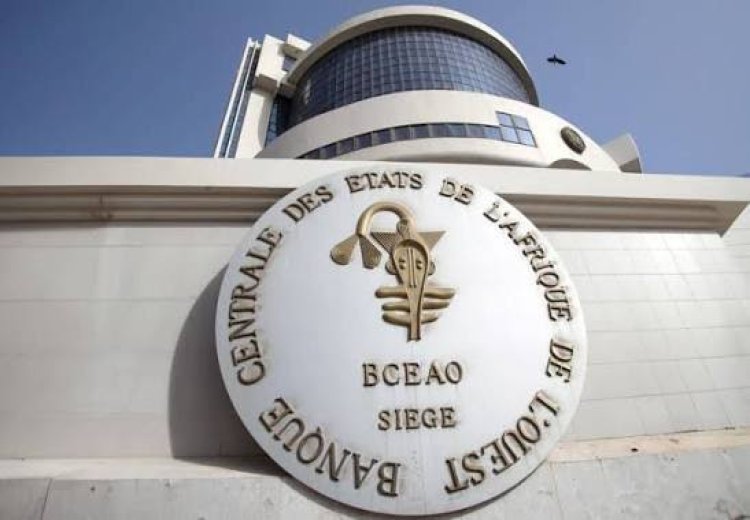
The Central Bank of West African States (BCEAO) is maintaining the current direction of its monetary policy, with the aim of supporting economic activity while preserving price stability. At its meeting on 9 September 2026 in Dakar, the Monetary Policy Committee (MPC; CPM in French) decided to leave its main monetary policy instruments unchanged.
The main policy rate therefore remains at 3%, while the marginal lending facility rate remains at 5%. The reserve requirement ratio applicable to credit institutions is also maintained at 3%.
This decision comes against a regional backdrop of sustained economic growth. In the second quarter of 2026, WAEMU gross domestic product (GDP) grew by 6% year on year, after 6.1% in the previous quarter. Despite this slight slowdown, activity remains supported by the sound performance of the main sectors. For 2026 as a whole, BCEAO forecasts growth of 6.1%, confirming the resilience of the Union’s economy.
On the price front, the recent rise in inflation nevertheless calls for vigilance. After recording a rate of -0.2% in the first quarter of 2026, inflation stood at 0.4% in the second quarter, then at 1.2% in July and 1.7% in August. This acceleration is mainly due to higher transport costs following increases in petroleum product prices in several member States.
Despite this trend, BCEAO forecasts average inflation of 1% in 2026, compared with 0% in 2025. This forecast nevertheless remains exposed to risks that could intensify price pressures.
In addition, the Union’s external and financial fundamentals continue to strengthen. WAEMU’s external position improved in the second quarter of 2026, notably thanks to an increase in the value of exports of gold, cotton, cocoa and petroleum products.
Financing for the economy also remained on a favourable trajectory. Bank credit to the private sector grew by 6.6% at the end of June 2026, compared with 6% at the end of March, reflecting the continued momentum of bank financing within the Union.
In light of these developments, the Monetary Policy Committee considers current monetary conditions appropriate for supporting economic activity while preserving price stability. BCEAO will nevertheless continue to closely monitor inflation, financial conditions and external risks.
Source: Mag financialafrik, Rédaction Portail web MEFB