WAEMU: BCEAO cuts its main policy rate to 3%
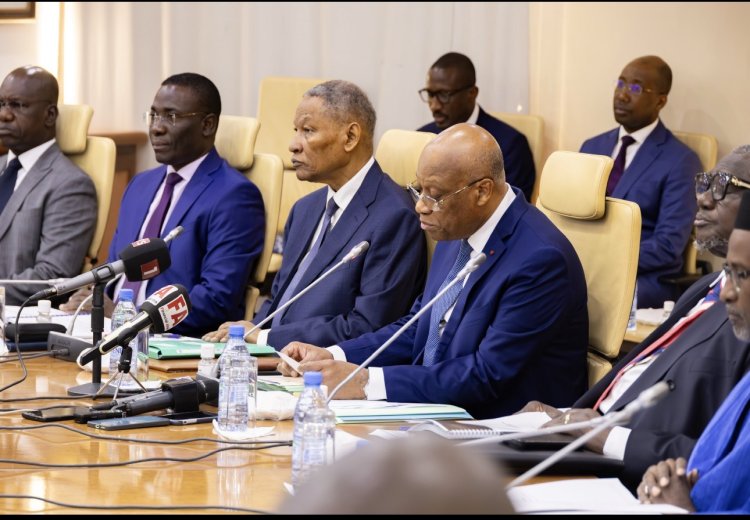
The Central Bank of West African States (BCEAO) has decided to ease its monetary policy stance. Following the first ordinary meeting of its Monetary Policy Committee for 2026, the institution announced a 25-basis-point cut in its main policy rate, which falls from 3.25% to 3%, effective 16 March 2026.
In the same vein, the interest rate applied at the marginal lending facility was lowered from 5.25% to 5%. By contrast, the reserve requirement ratio applicable to credit institutions subject to it was maintained at 3%. According to the monetary institution, this stance aims to consolidate the easing of financing conditions for economic activity within the West African Economic and Monetary Union (WAEMU).
This decision comes in a context of generally favourable economic conditions in the Community area. Indeed, according to data presented by the BCEAO Governor, Mr Jean-Claude Kassi Brou, the Union’s economic growth rate stood at 6.7% in 2025, compared with 6.2% in 2024, confirming the dynamism and resilience of the zone’s economies.
These performances are explained notably by the good performance of the extractive industries and the services sector, as well as progress in agricultural production, which continues to play a decisive role in regional economic momentum.
In addition, the recent trend in consumer prices has helped create an environment conducive to easing monetary policy. In the fourth quarter of 2025, the inflation rate stood at 1.44%, reflecting a marked moderation of inflationary pressures within the Union. This development is mainly explained by the fall in food prices, linked to better availability of local production and to lower costs of certain commodities.
However, the monetary authorities remain attentive to the risks that could affect this trajectory. In this regard, the BCEAO Governor stressed that the resurgence of geopolitical tensions internationally could generate new inflationary pressures.
In parallel, indicators relating to the financing of the economy show gradual improvement. At end-December 2025, the growth rate of credit to the economy stood at 5.6%, compared with 4% a year earlier, reflecting stronger access to finance for economic agents. At the same time, the Union’s external position improved significantly, with an increase in the overall balance of payments balance in 2025 compared with the previous year.
According to the BCEAO, this monetary easing should further support investment and growth, while recalling the need for member States to continue fiscal consolidation efforts in order to preserve the Union’s macroeconomic stability.
Source : Sika finance, MEPD web portal editorial team