Ivorian GDP crosses historic threshold of 100 billion dollars in 2026
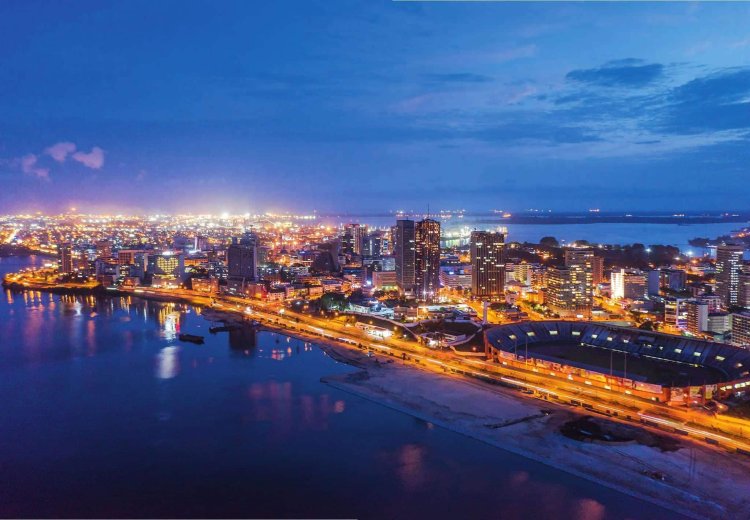
In 2026, Côte d’Ivoire will reach a major economic threshold, with nominal gross domestic product (GDP) exceeding 100 billion dollars, according to International Monetary Fund projections. This performance enshrines the upward trajectory of the largest economy in the WAEMU and confirms its strategic repositioning as a regional economic hub in West Africa.
This result is the culmination of more than a decade of structural reforms and public policies aimed at transforming the economic model. Long dominated by agriculture, the Ivorian economy has gradually diversified, strengthening its productive, industrial and financial capacities. It is no longer content with a dominant position in the Community area, but now reaches a new dimension, marked by sustained growth and greater integration into international economic circuits.
In a global context characterised by persistent uncertainty, Côte d’Ivoire stands out for the regularity and resilience of its economic trajectory. Forecasts for the 2026-2030 period point to an average annual growth rate of between 6.4% and 6.7%. This momentum is part of the implementation of the National Development Plan, which aims at structural transformation based on industrialisation, local value creation and strengthened competitiveness.
This growth is also reflected in an improved standard of living for the population. GDP per capita should exceed 3,000 dollars in 2026, marking the country’s entry into a new middle-income category and strengthening the attractiveness of the domestic market for international investors.
The drivers of this performance are now plural. While the coffee-cocoa pairing remains a historical foundation, the economy now rests on four strategic pillars: the development of modern infrastructure, the modernisation and local processing of agriculture, the rise of the extractive and energy sector, and the valorisation of the blue economy through maritime and port resources.
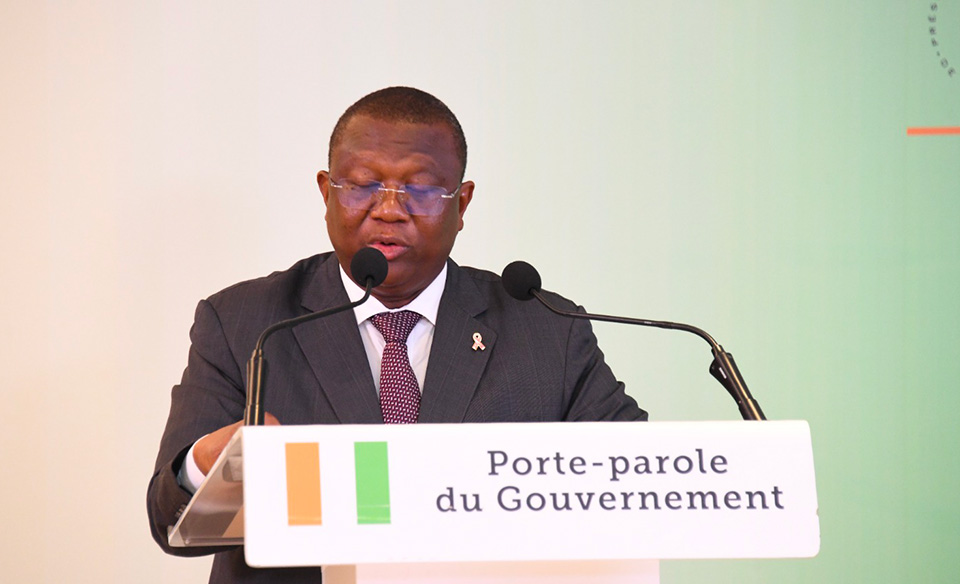
To support this momentum, the Ivorian State has adopted a record budget of 17,350.2 billion CFA francs (FCFA), oriented towards human capital development, agricultural mechanisation and productive investment. This budget framework is an essential lever for consolidating growth and strengthening social cohesion.
By crossing the symbolic threshold of 100 billion dollars of GDP, Côte d’Ivoire not only validates a macroeconomic performance but asserts its status as an economic leader in francophone West Africa. It positions itself as a driver of macroeconomic stability and regional integration, while sending a strong signal to the international community about its capacity to durably transform its economy.
Source : elitenewsci, MEPD web portal editorial team