Côte d’Ivoire, the new epicentre of West African wealth
In 2025, Côte d’Ivoire is emerging as the leading creator of wealth in West Africa, confirming its status as a regional economic powerhouse. Underpinned by robust growth, the gradual diversification of its key sectors and a proactive economic policy, the Ivorian economy offers fertile ground for the emergence and concentration of substantial wealth, mainly in the city of Abidjan.
According to the Africa Wealth 2025 report, sub-Saharan Africa has approximately 73 800 dollar millionaires, 196 centimillionaires and 12 billionaires, concentrated in a few strategic hubs. Among them, Abidjan stands out as an essential hub, placing Côte d’Ivoire among the drivers of private wealth growth on the continent, alongside Nigeria, South Africa and Kenya.
For more than a decade, the country has recorded sustained economic growth, with real GDP projected at 6,5% in 2025. The drivers of this performance are industry, trade, agrifood, construction and public works (BTP), and the services sector. The world’s leading producer of cocoa and cashew nuts, Côte d’Ivoire has pursued greater diversification of its exports and attracts substantial private investment under the National Development Plan (PND).
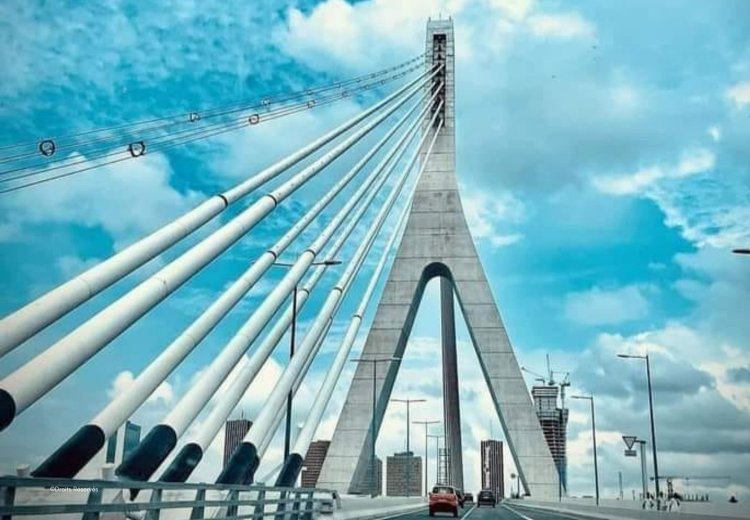
Côte d’Ivoire’s economic capital concentrates infrastructure, talent, capital and opportunities, creating a powerful agglomeration effect. The growth of Abidjan as a metropolis, comparable to the paths followed by major emerging cities, makes it the nerve centre of finance, services and industry in West Africa. Ivorian millionaires are thriving mainly in finance, international trade, industry and natural resources.
The projected 65% increase in the number of African millionaires by 2035 illustrates the scale and speed of wealth concentration across the continent. In Côte d’Ivoire, this trend reflects both the vitality of the national economy and the country’s ability to attract and channel capital flows, further confirming its position as an emerging centre of prosperity in West Africa.
However, this development comes with structural and cyclical challenges that must be addressed, including the risk of worsening social inequalities if wealth growth is not underpinned by inclusive redistribution; persistent vulnerability to political, security and geopolitical risks; and continued significant dependence on natural resources despite progress in economic diversification.
Despite these vulnerabilities, Côte d’Ivoire is now establishing itself as an area of relative stability in a regional environment often beset by turbulence. This enhances its appeal to international investors and confirms its growing weight in Africa’s high-net-worth ecosystem. Abidjan is thus emerging as a strategic crossroads for regional wealth and a nerve centre for economic dynamics in West Africa.
Source : APR News, Portail web MEPD editorial team