Côte d'Ivoire: A budget ambition of 15 301 billion CFA francs (FCFA) in 2025, in support of economic growth and resilience
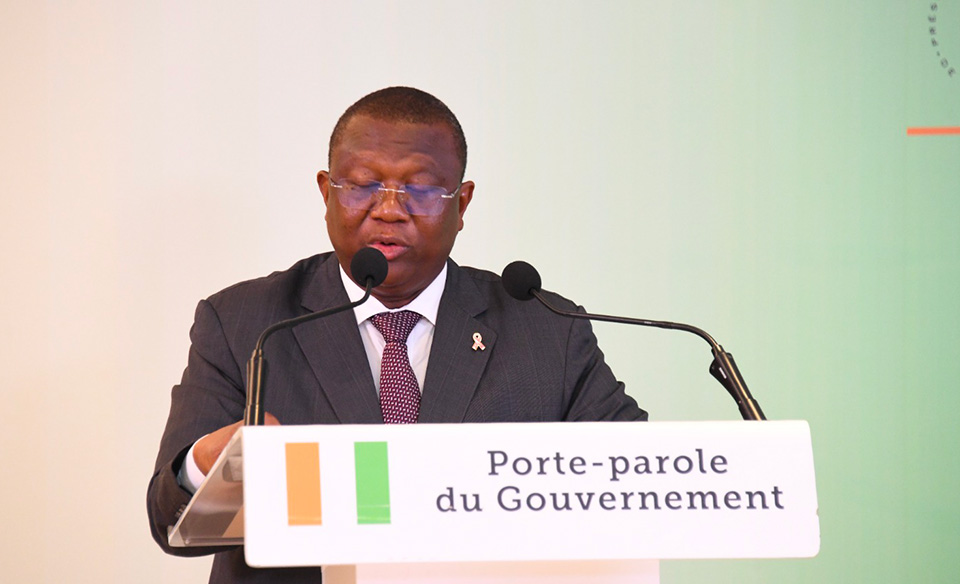
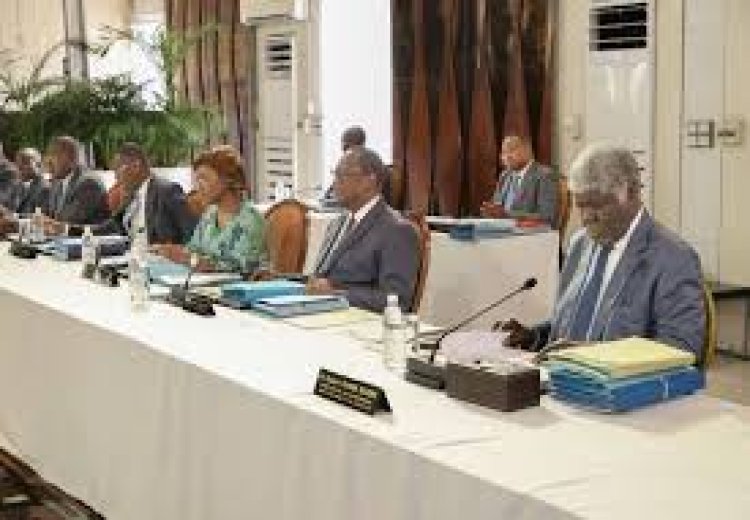
The government of Côte d'Ivoire recently announced a notable 11,5 % increase in the national budget for 2025, bringing it to 15 301 billion FCFA (equivalent to 25,1 billion dollars), compared with 13 720,7 billion FCFA (22,5 billion dollars) in 2024. The announcement was made by Minister Amadou Coulibaly, government spokesperson, following the Council of Ministers meeting on 12 June 2024. Government projections anticipate this upward trend continuing, with the budget reaching 17 070 billion FCFA (28,1 billion dollars) in 2026 and then 17 480 billion FCFA (28,7 billion dollars) in 2027.
Over the 2025-2027 period, the government of Côte d'Ivoire will pursue an ambitious fiscal policy aimed at improving the efficiency of domestic revenue collection while controlling operating costs. This budget strategy will be accompanied by prudent management of public debt in order to support increased investment and expenditure devoted to poverty reduction.
These initiatives are being rolled out in a favourable economic environment for Côte d'Ivoire, marked by robust growth and promising prospects. Last May, rating agency Standard & Poor’s Global Ratings upgraded Côte d'Ivoire’s rating to “BB-”, with the outlook changing from “stable” to “positive”, following the successful issuance of a 2,6 billion dollar eurobond in January. In addition, the country recently concluded two financing agreements totalling 4,8 billion dollars with the International Monetary Fund (IMF), under the Extended Credit Mechanism (MEDC), the Extended Credit Facility (FEC) and the Resilience and Sustainability Facility (FRD).
The 2025-2027 multi-year budget programming document is based on an average annual GDP growth forecast of 7,4 %. These growth prospects, together with the announced budget reforms, reflect the government of Côte d'Ivoire’s firm commitment to continuing the structural transformation of the national economy, strengthening public financial management and improving the population’s living conditions.
Source : Agence Ecofin, Portail web MEPD Editorial Team