Côte d’Ivoire adopts electronic standardised invoicing to strengthen tax revenue mobilisation
As part of the implementation of its national strategy for mobilising tax and customs revenue for the 2024-2028 period, Côte d’Ivoire officially launched the electronic standardised invoice system (FNE) on Monday, 21 July 2025. This far-reaching reform, led by the Directorate General of Taxes, aims to improve the efficiency of the tax administration, combat fraud and broaden the tax base in a context marked by a structurally low tax burden.
With the tax burden estimated at 15.1% of GDP in 2025 and a target of 15.8% in 2026, the country remains below the 20% threshold set by the WAEMU Commission. The deployment of the FNE is therefore part of a stated commitment to modernising the revenue collection chain, particularly through the digitalisation of economic transactions and automation of the VAT declaration process. It is scheduled to enter into force on 1 September 2025, according to the tax regime applicable to each taxpayer.
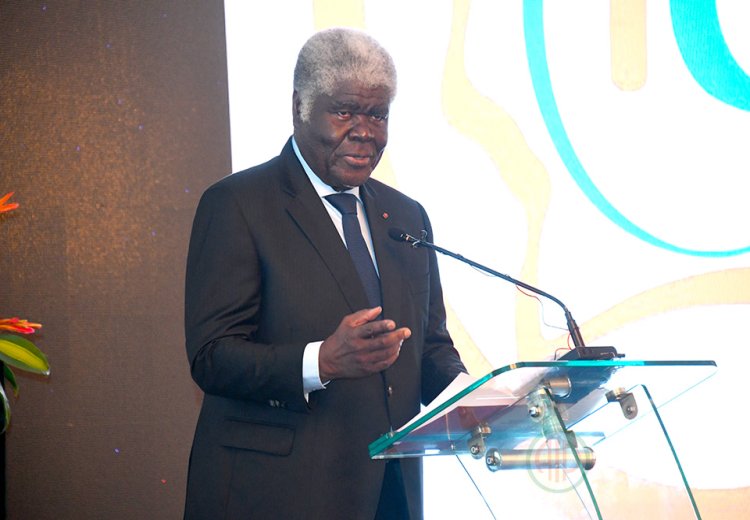
On this occasion, Prime Minister Robert Beugré Mambé noted that the FNE would strengthen the range of instruments used to combat fraudulent tax practices, while promoting greater transparency, reduced administrative costs and improved business competitiveness. In his view, a tax system perceived as unfair, in which some stakeholders evade their obligations while others fully meet them, undermines the legitimacy of taxation and the State’s ability to finance essential public services. The full digitalisation of the tax chain aims to ensure fair treatment and greater taxpayer compliance.
Beyond the FNE, the 2024-2028 tax strategy provides for several major reforms, including a review of corporate income tax, improved property tax yields and a reduction in the VAT compliance gap. These efforts, welcomed by technical and financial partners, have already produced tangible results. By way of illustration, revenue mobilised in the first quarter of 2025 amounted to 3 707 billion CFA francs (FCFA), compared with a forecast of 3 200.7 billion CFA francs (FCFA), representing an outturn rate of 115.8%.
Private-sector buy-in, taxpayer awareness-raising and support from tax services remain essential conditions for ensuring effective ownership and the lasting success of this reform. The Government therefore calls on businesses to become active ambassadors for this new momentum, based on transparency, fairness and tax performance.
Source : Ecofin Agency, MEPD Web Portal Editorial Team